The artefact under examination is a lignum vitae pot with a silver repoussé lid, speculated to potentially have belonged to Mary Queen of Scots. Purchased anonymously, its provenance raises questions, as the middleman provided limited details regarding its history. The pot features significant symbolism, including motifs that may connect to the Virgin Mary and allude to Mary Stuart's life and affiliations with the prestigious Talbot family. Despite its intriguing decorations, a definitive link to Mary or later figures like Arbella Stuart remains unproven. The analysis emphasizes the importance of provenance in antique acquisitions.
Author: Melanie V Taylor
Freelance lecturer on art history and all aspects of history. Currently researching the creators of illuminated manuscripts of the latter part of the 15th century. Principal of Ashtead Art Lovers - founded in 2007.

Tiverton Castle – The West Country’s Hidden Gem
Tiverton Castle, a historic site in Devon, offers a glimpse into England's rich past, from the Bronze Age to the Civil War. Visitors can explore its medieval architecture or stay in holiday lets. The surrounding West Country features attractive landscapes, archaeological sites, and notable historical events. The castle is accessible for day trips and group visits, enhancing the region's appeal.
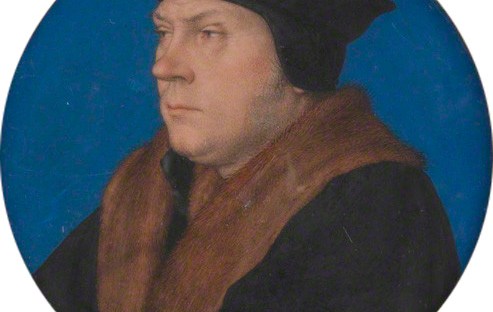
“Beneath every history, another history.”
Hilary Mantel emphasized that novels should raise questions rather than provide answers, illustrated through her portrayal of Thomas Cromwell and Holbein's art. Cromwell’s rise amid Tudor court politics is detailed alongside Holbein’s contributions, reinforcing both the artistry and historical significance of their relationship, while reflecting the intricate dynamics of power and identity during that era.
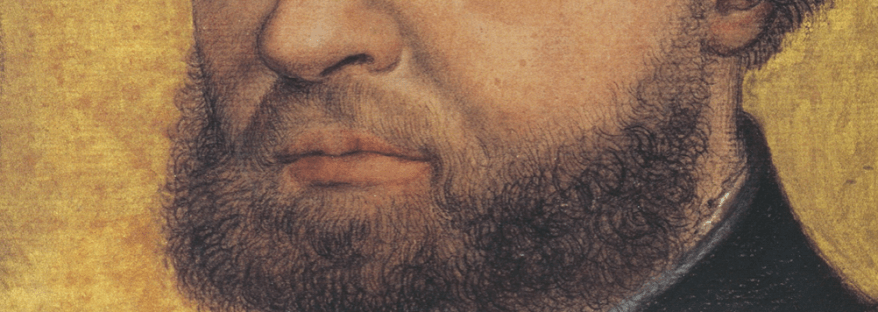
Hans Holbein the Younger and Thomas Cromwell as depicted in Hilary Mantel’s Wolf Hall trilogy
The content discusses the significance of historical fiction, particularly the works of Hilary Mantel, in portraying the Henrician court through researched narratives. It emphasizes Hans Holbein's portraits as vital historical sources, revealing connections between subjects like Sir Thomas Cromwell and prominent figures, thereby influencing modern interpretations of Tudor history.
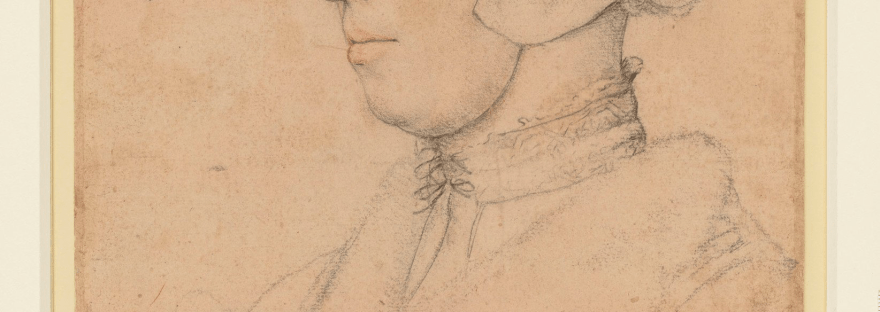
The Devonshire Manuscript & its place in history
Henry VIII’s court, particularly through the lens of Anne Boleyn and the Devonshire Manuscript, reflects a fascinating interplay of power, poetry, and sedition. Compiled by Boleyn's courtiers in the 1520s, the manuscript’s ambiguous verses provide insights into the dynamics of court life, ambition, and the eventual downfalls of key figures associated with Anne.

